

Faculty Profiles
Assistant Professors

Mahesh Kumar K S
Assistant Professor (Mridangam)
View Brief Profile
Read More- Qualification: M.A. in Mridangam
- Experience: 15+ years
- Achievements: Festival performer
- Specialization: Mridangam performance

Sunil N
Assistant Professor (Mridangam)
View Brief Profile
Read More- Qualification: A Grade (AIR)
- Experience: 30+ years
- Achievements: Author of ‘Resounding Mridangam’
- Specialization: Performance & research
Instructors

Instructor One
Instructor
View Brief Profile
Read More- Qualification: M.A.
- Experience: 10 years
- Achievements: State award
- Specialization: Classical music

Instructor Two
Instructor
View Brief Profile
Read More- Qualification: B.A.
- Experience: 5 years
- Achievements: Research work
- Specialization: Percussion

Instructor Three
Instructor
View Brief Profile
Read More- Qualification: MFA
- Experience: 7 years
- Achievements: Youth festival judge
- Specialization: Dance theory

Instructor Four
Instructor
View Brief Profile
Read More- Qualification: MFA
- Experience: 6 years
- Achievements: Digital exhibitions
- Specialization: Contemporary performance
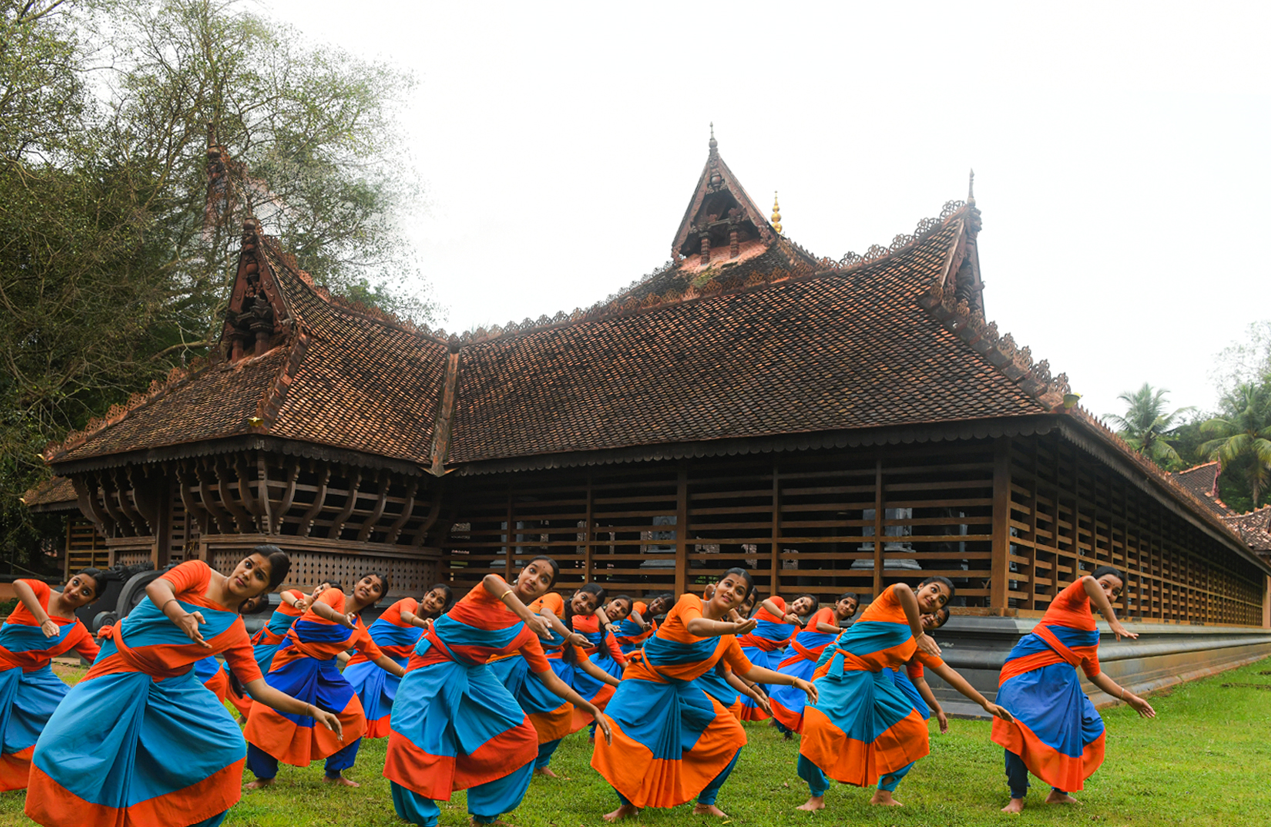
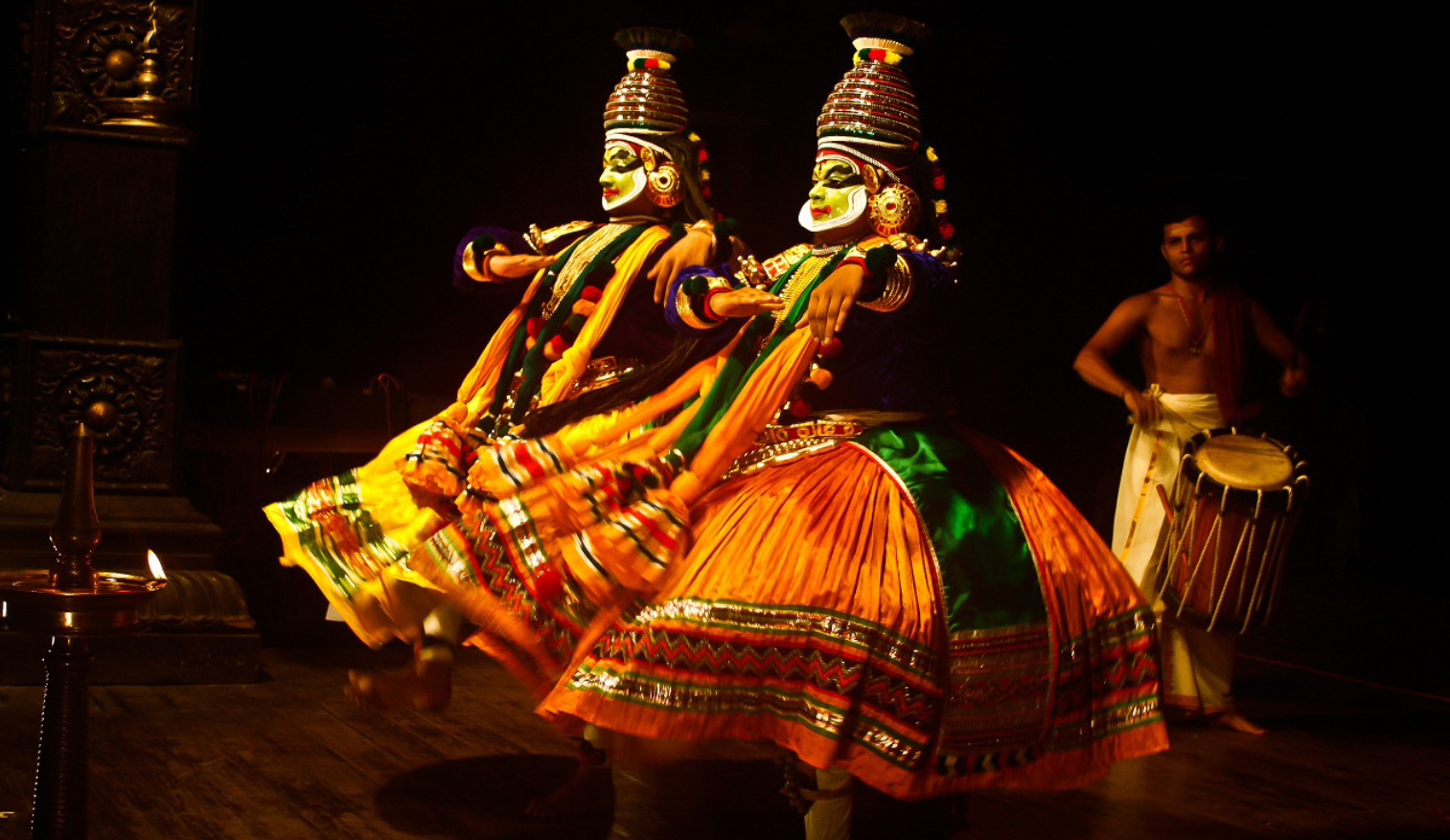
The history of Kathakali music is very much associated with that of Kathakali.Kathakali music in Kerala has evolved from the Sopanam style of music. All regional musical styles are considered to have evolved from the Sama Vedas and Sopanam – Kerala’s endemic form of music, is also considered to have evolved from the Vedas. This genre of music is in principle very similar to the Karnatic music with numerous ragas and talas. However the style of rendering is very different. In Kathakali The text of the play or the ballad is sung by two singers in the background. The lead singer is called the ponnani and the assistant the shinkiti. They use a shruthipetti, to keep the pitch and the chengila and ilathalam to maintain the rhythm. Kathakali music is supported by other percussion instruments such as chenda, Maddlam and itakka. The singers must synchronise their music to the movements and bhavas of the actor.
There are more than a 100 plays set to various ragas, some of which are exclusive to the sopanam genre such as Samantha malahari, Puranceru, Paati, Huseini and Indalam. There are five basic taalas used in Kathakali music which are atantha, muriatantha, chempa, chempata, triputa and panchari. Kathakali and Kathakali music have gone through an active reformation since its inception. In the early days, there was only one lead singer. Later a second singer was introduced as a shinkiti or assistant. Similarly, the singers used the chengila to maintain the pitch, but with advancements in the spheres of art they were replaced by the harmonium and shrutipetti.